
1. The Biomechanics of Heavy Load Compression
When executing deep barbell back squats under 80%+ of your one-rep max (1RM), the forces passing through your patella and quadriceps tendons can exceed 7 times your total bodyweight. Without adequate joint encapsulation, minor mechanical deviations can lead to shear stress on the meniscus and patellar tendinitis.
Direct marketers and sports biomechanists have long verified that retaining joint thermal heat increases synovial fluid circulation by 40%. Elevated joint temperature decreases internal friction, enabling smooth cartilage gliding under intense mechanical loads.
Neoprene compression sleeves act as an external stabilizing layer. By surrounding the patellofemoral complex with uniform pressure, they reduce muscle oscillation during the eccentric descent and improve kinetic energy transfer when bouncing out of the bottom hole position.
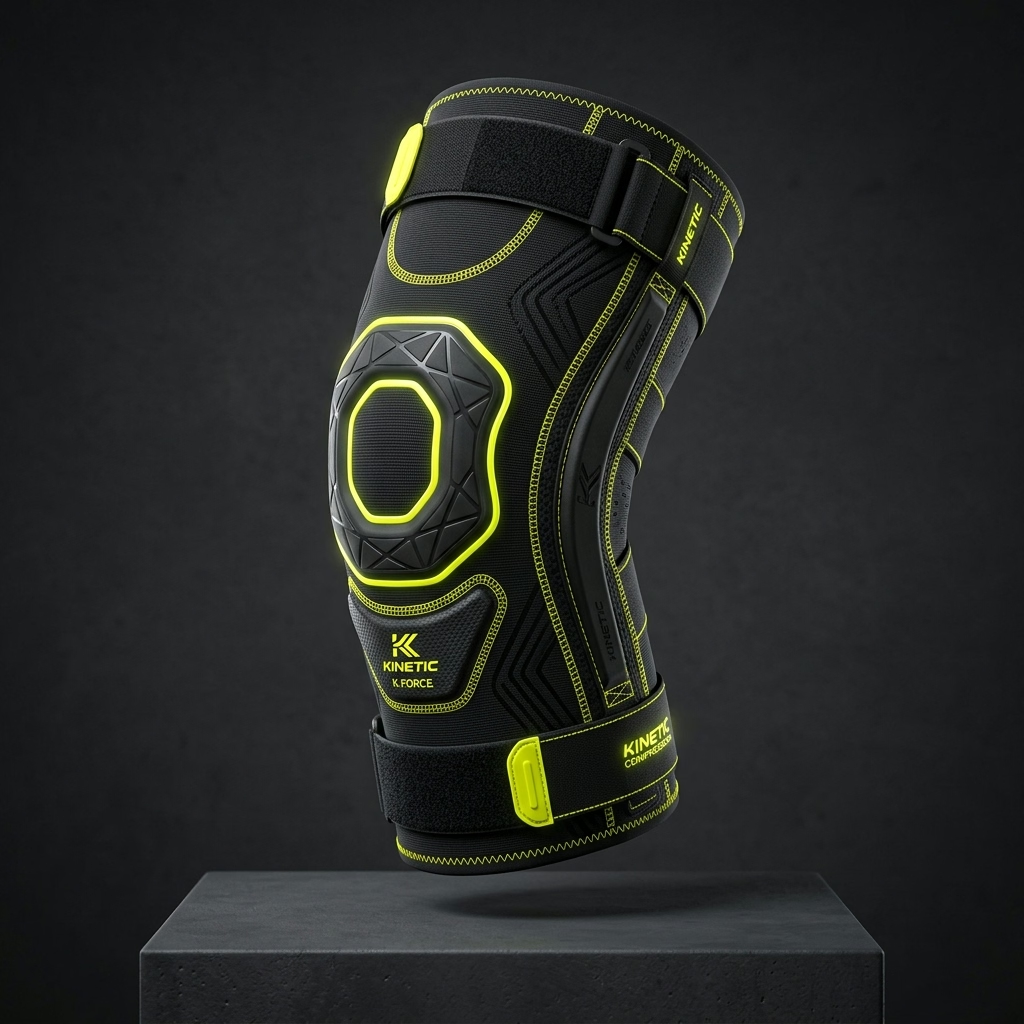
PRO STABILITY KNEE SLEEVE (7MM)
Ergonomically contoured 7mm high-density neoprene with dual flex stabilizers. Engineered strictly for heavy squats & powerlifting stability.
GET PRO SLEEVES ↗2. How & When to Wear Knee Sleeves in Your Workout
A common mistake powerlifters and athletes make is wearing knee sleeves during their entire 2-hour workout session. Compression sleeves are designed for high-intensity working sets, not static recovery sitting between sets.
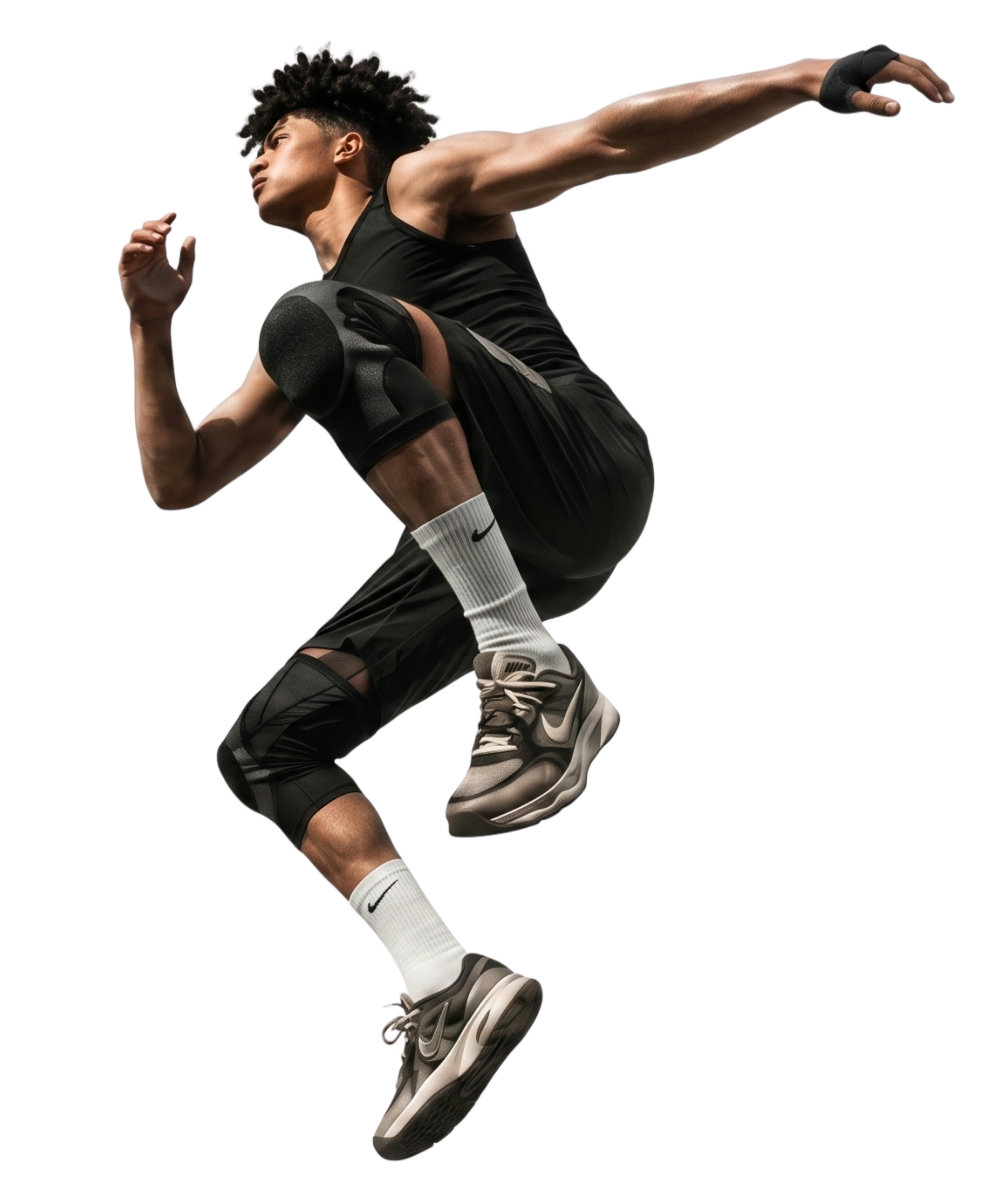
A. Warmup Sets vs. Heavy Working Sets
Perform your initial dynamic warmups and empty bar warmups without sleeves. Once you reach 70% of your 1RM, slide your sleeves on. This ensures your joint capsule warms up naturally before adding external thermal encapsulation.
B. Selecting 5mm vs. 7mm Sleeve Thickness
- 5mm Neoprene: Ideal for cross-training, dynamic lunges, plyometrics, and high-rep functional fitness workouts requiring agility.
- 7mm Neoprene: Maximum support for heavy powerlifting, 1RM attempts, and Olympic weightlifting where maximum joint rigidity is required.
3. Tendon Longevity & Post-Workout Recovery
Overuse injuries like patellar tendinopathy occur when tendon strain outpaces cellular repair. By dampening peak impact vibration during heavy foot strikes and heavy squatting, Active Joint Gear sleeves significantly attenuate tendon breakdown, extending your training career for years to come.
PROTECT YOUR KNEES. SQUAT HEAVIER WITH CONFIDENCE.
Try Active Joint Gear risk-free with our 30-Day Performance Guarantee and free global express shipping.
COACH MARCUS REED
CSCS Strength & Conditioning Specialist